Electrical Safety at Home
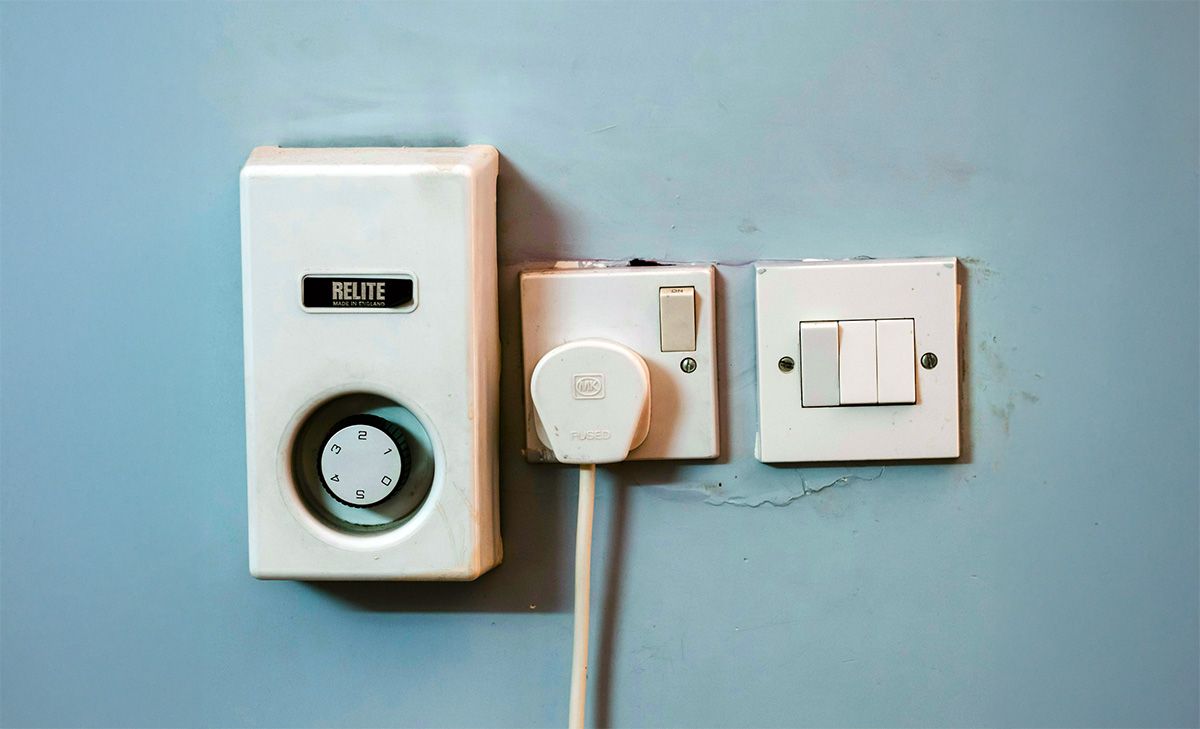
Electricity powers our homes, from lighting to cooking and charging devices. But while it's essential to daily life, it also poses serious risks if not handled properly. According to Electrical Safety First, faulty electrics cause thousands of house fires and injuries in the UK every year. Whether you're a homeowner or a renter, understanding how to stay safe is crucial.
Here's a guide to the electrical safety at home in the UK.
What You Should Do
-
Do use a registered electrician
Always use a registered electrician for any electrical installation work. In England and Wales, electricians must comply with Part P of the Building Regulations, and using a registered contractor ensures the work is legal and safe. Check their registration with NICEIC, NAPIT, or another UK-recognised certification body.
SM Electrical Services is registered with NICEIC and is 5-Star Google rated by our customers. Contact us for help or more information. -
Do check your sockets and plugs regularly
Look for signs of overheating, such as:
- Scorch marks
- Buzzing sounds
- Loose sockets
- Burning smells
If you notice any, turn off the power and call an electrician. -
Do test your smoke and heat alarms
Test all alarms once a month, and replace the batteries annually unless they are 10-year sealed units. Electrical fires often start silently — alarms save lives. -
Do use RCD protection
An RCD (Residual Current Device) cuts off electricity if there’s a fault. Make sure your consumer unit (fuse box) has RCD protection. You can also buy RCD plugs for extra safety on appliances like lawn mowers or power tools.
SM Electrical Services can install RCD protection for your home. Contact us for help or more information. -
Do follow appliance instructions
Use appliances according to manufacturer guidance. Overloading sockets, covering vents, or misusing extension leads can lead to overheating and fire.
What You Shouldn't Do
- Don’t overload sockets
Plugging too many appliances into one socket or adapter can overheat and cause a fire. Use a fused, surge-protected extension lead and spread the load across different outlets.
💡 Tip: High-wattage appliances (kettles, heaters, hairdryers) should always be plugged directly into a wall socket.
- Don’t ignore flickering lights or tripping circuits
These can be signs of a fault in the wiring or overload. Don’t wait for it to worsen—get an inspection from a qualified professional.
- Don’t do DIY electrical work unless qualified
Changing a plug or bulb is fine, but anything beyond that can be dangerous and illegal. DIY mistakes are a leading cause of electric shock and house fires.
- Don’t run cables under carpets or rugs
This may seem tidy, but it’s a fire hazard. Cables can overheat, fray, or become damaged by foot traffic, leading to short circuits.
- Don’t use electrical items in damp areas
Unless specifically designed for bathrooms or outdoor use, keep appliances away from water. Bathrooms, kitchens, and gardens need special consideration and proper IP-rated equipment.
Bonus Tip: Get an Electrical Installation Condition Report (EICR)
Landlords in the UK are legally required to have an EICR carried out every 5 years. Homeowners should also consider one if the property is over 10 years old or if you’ve never had the wiring checked.
Electrical safety at home is about vigilance, common sense, and knowing when to call a professional. By following these simple rules, you can keep your household safe, reduce the risk of fires, and comply with UK safety regulations.
For more advice or if you have any questions, contact us at SM Electrical Services. We're happy to help in all matters electrical.